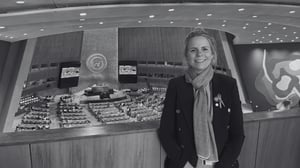
Where 70 years of consensus could have unravelled, and what it means for every leader in Australia.
I'm writing this at altitude, somewhere over the Pacific, heading home to Sydney and still processing an extraordinary week at the United Nations in New York.
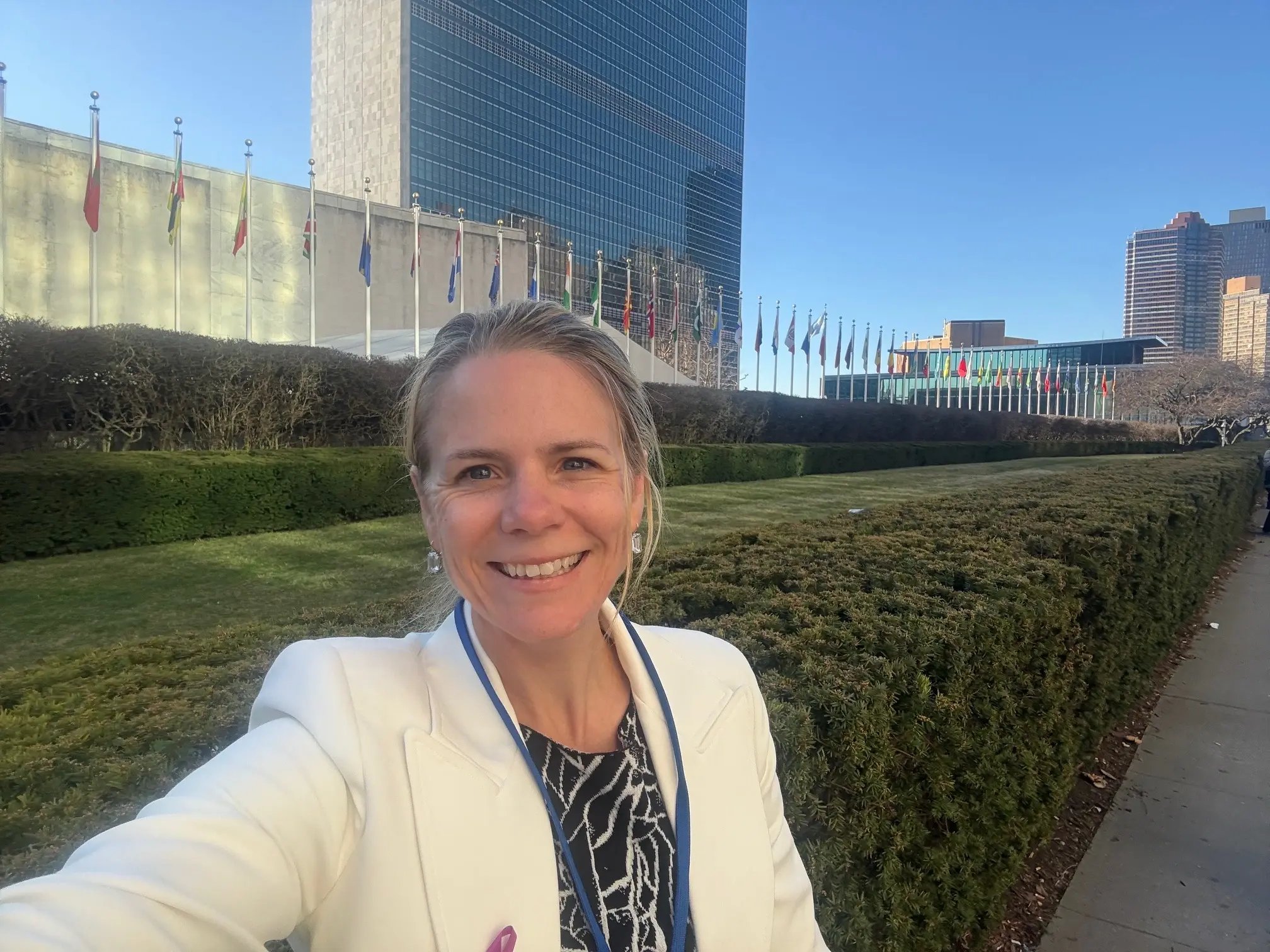
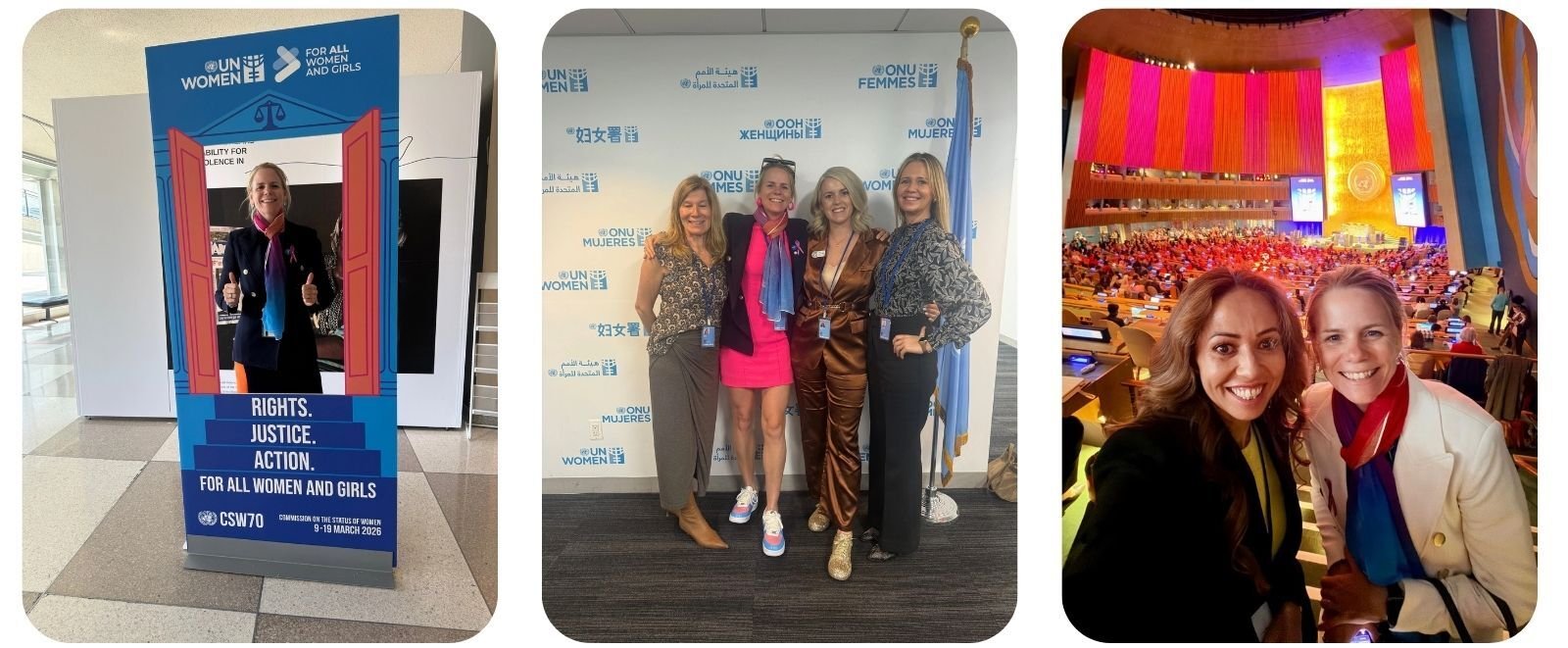
From 8–13 March, I had the privilege of representing Abundium at the 70th United Nations Commission on the Status of Women (CSW70) - the UN's largest annual gathering on gender equality. Governments, advocates, civil society and changemakers from across the globe, all in one place, working on one urgent question: is justice truly equal for women and girls everywhere?
History was made, but not in a good way
For 70 years, the CSW has operated on consensus. Every nation, every voice, working toward a shared outcome document together. This year, that tradition was shifted. For the first time in the commission's history, the Agreed Conclusions were put to a recorded vote - a move that threatened to unravel decades of hard-won agreement on women's rights.
The result? 37 nations voted in favour, just 1 against, and 6 abstentions. The global consensus held, but only just.
Let that land for a moment. The progress we've fought so hard for is not guaranteed. When a single powerful nation attempts to roll back 70 years of shared commitment to gender equality, it sends a signal to every country, every institution, and every boardroom watching. The General Assembly Hall in New York felt that weight deeply.
Then this number stopped me in my tracks: women currently hold just 64% of the legal rights that men do. At the current pace of progress, it would take three centuries to close that gap. This is not a distant problem. It is the world our daughters, nieces and friends are inheriting right now.
Here is what else I witnessed, and why it matters to every leader in our community.
Australia is a genuine world leader
Here's something for us to be genuinely proud of. Across the many conference rooms at the UN, Australia was called out repeatedly as a global leader in technology safety. Our eSafety Commissioner, our hotlines and reporting mechanisms for technology-facilitated abuse, all held up as a model other nations want to replicate. Our under-16 social media ban drew significant attention as bold, values-led policy in action.
We don't always get to feel proud on the world stage, yet this week, we did. It's a reminder that Australian leadership in this space has reach far beyond our borders.
the nordic blueprint – culture follows policy
As ever, the Nordic nations set the benchmark on family-friendly workplaces. Generous parental leave for all genders. Subsidised childcare. Flexible working as a cultural norm, not a perk. Fathers who actually take leave, and are expected to.
The message for our community was unambiguous: if we want women in the room at the top, we have to redesign the conditions at every level below it. Policy first. Culture follows.
access to justice, and a moment from kenya that stayed with me
CSW70's priority theme was access to justice for women and girls. One example cut through clearly. Kenya has introduced mobile courts - justice that travels to the people, rather than expecting people to travel to justice. Simple. Human. Effective.
It made me think about how often our own systems - in organisations, in workplaces, in communities - are designed for the system's convenience rather than for the people who need them most. Worth sitting with.
the room that needs more of our people in it
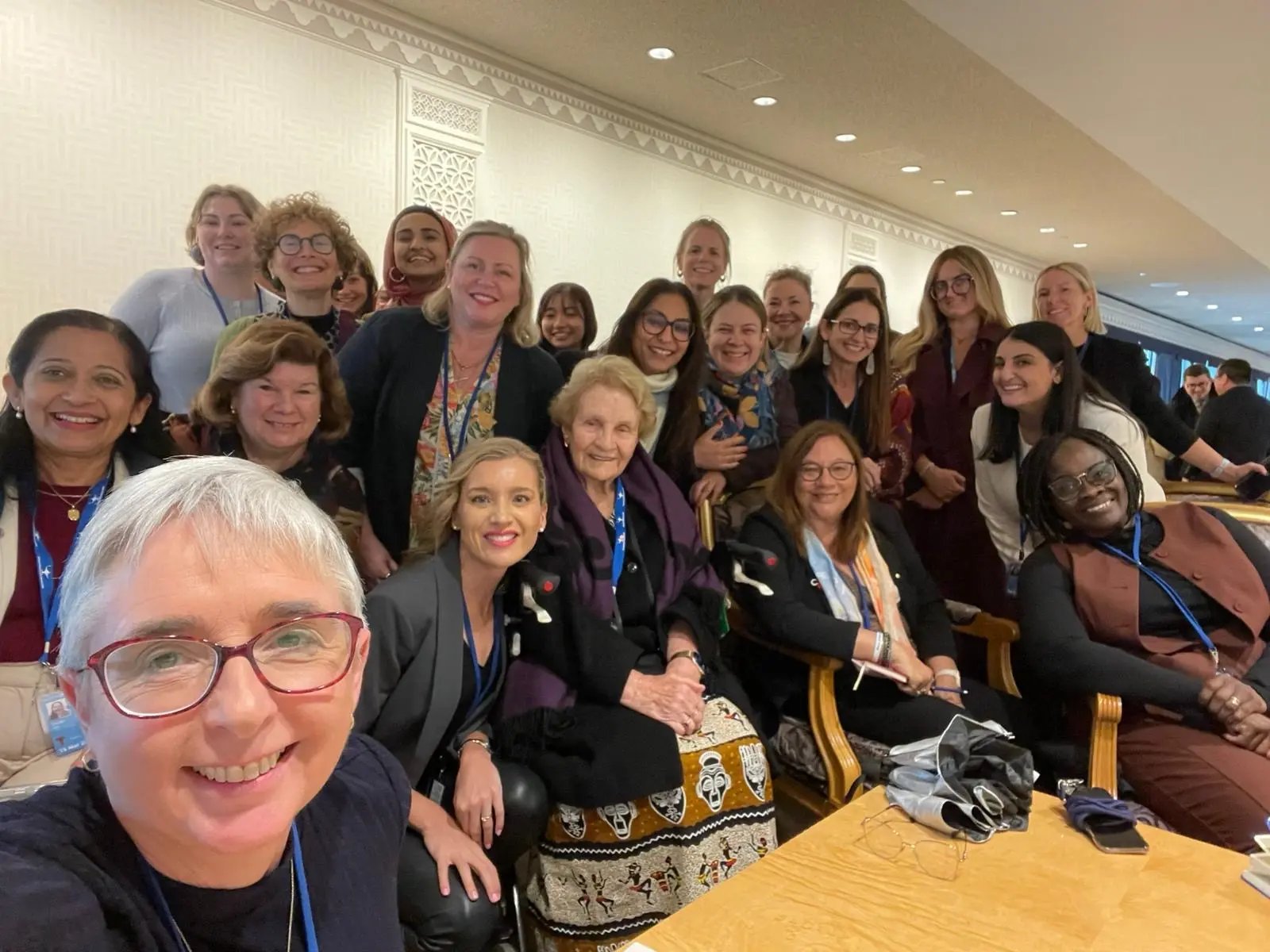
Here's my honest frustration. The passion and expertise in those rooms was extraordinary. Yet I looked around all week and asked: where is the private sector? Where are the male allies?
The conversations happening at the UN are shaping the future of work, leadership and equality and the people building businesses and leading organisations every day are largely absent from them. That's a missed opportunity we can't keep accepting. A few of us are already working on changing that for CSW71.
the bigger picture - a governance system under pressure
What underpins all of this is a global governance architecture straining under the weight of 2026 realities. The UN Security Council was designed in 1945 for the world that existed then. Its five permanent veto-wielding members reflect post-World War II power dynamics, not today's geopolitical and economic landscape. Africa has no permanent seat. Asia is underrepresented. Reform conversations are growing louder. Change remains deeply hard, yet the awareness is building, and for leaders engaging in global advocacy, understanding this context is no longer optional.
what i'm taking home
What I'm bringing back to Australia and our community is hope. We don't yet know the full ripple effect of the work done in New York at CSW70 - yet I know this: it matters. And so does everything our community does every single day. Thank you for being the change.
For those who want to go deeper, I'd recommend The Quiet Diplomat - the story of former UN Secretary-General Ban Ki-moon, from the Korean War to the Paris Agreement and the UN SDGs. A powerful and deeply human watch for any leader trying to understand what multilateralism can and cannot do in an increasingly fractured world.
I'll be part of an official debrief with UN Women Australia and would be delighted to speak with you or your teams on further insights. We look forward to continuing this conversation and turning insight into action together on our quest to achieving a gender equal world.
resources
-
Read: How the US Tried but Failed to Wipe Out 70 Years of Global Consent on Women's Rights, PassBlue's in-depth reporting on the historic vote at CSW70 and the geopolitics behind it.
-
Review: CSW70 Session Outcomes - the official Agreed Conclusions and resolutions from CSW70, published by UN Women.
-
Benchmark: World Bank Women, Business and the Law - the source behind the 64% statistic referenced above. This annual report measures how laws and regulations affect women's economic opportunity across 190 economies, essential reading for any multinational leader navigating compliance and workforce strategy across borders.
about abundium
Abundium provides a carefully curated solutions to ‘make growth easier’ for the local leaders of foreign owned companies in Australia, ranging from educational events with local and global thought leaders, executive networking experiences, plus research and advisory services. Abundium also represents the unique needs and contribution of the global business community with operations in Australia to regulatory and policy decision makers, as well as the media and public. Connect with us today and find out how we can support you to grow as a leader within a unique multinational setting.